HotC. annuumUnited States
Fish Pepper
30,000Scoville Heat Units
Heat context
Carolina Reaper
Ghost Pepper
Habanero
Fish Pepper
Illustration coming soon
Botanical data
Heat (SHU)30,000
SpeciesC. annuum
OriginUnited States
Days to mature80
Plant height45–75 cm
Wall thicknessThin
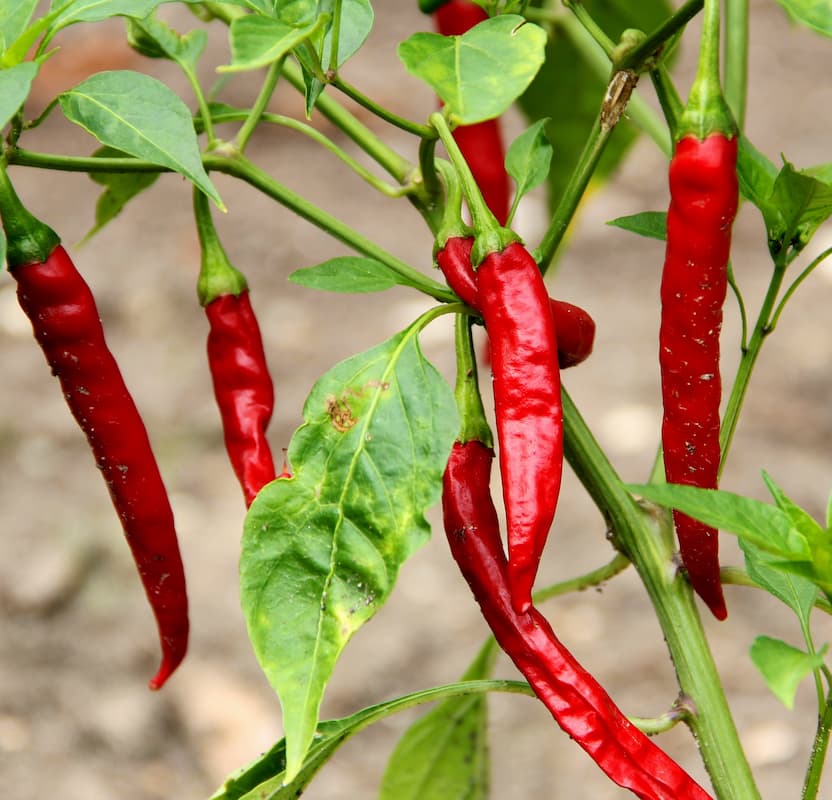
Ripe colourdark red
YieldModerate
Growth habitBush
Germination7-21
FoliageVariegated
Unripe colourwhite with green streaks
About this variety
A rare African American heirloom variety from the Chesapeake Bay region with striking variegated foliage and peppers that ripen from cream-white with green streaks to orange and finally dark red. Nearly lost to extinction in the 20th century, it was rediscovered when 50-year-old seeds were found in a family freezer and successfully germinated by food historian William Woys Weaver in the 1990s.
History & lineage
The Fish Pepper has one of the most remarkable rescue stories in modern American chilli history - a heritage variety nearly lost to extinction in the 20th century, then revived through the discovery of dormant seeds in a Pennsylvania family freezer. The variety's survival makes it a powerful symbol of African-American agricultural heritage and the role of seed-saving in preserving foodways at risk of disappearing.
The Fish Pepper has deep roots in the African-American Chesapeake Bay community, where it was widely cultivated in 19th-century Black gardens around Baltimore, Philadelphia, and the broader mid-Atlantic region. The variety served a specific culinary niche in African-American cooking, particularly in the cream-based fish and shellfish dishes that defined Black Chesapeake cuisine - the unripe pale-green-and-cream pods (rather than the ripe red form) provided gentle heat without darkening the colour of cream sauces, making them ideal for white seafood preparations.
The rescue story belongs to William Woys Weaver, a Pennsylvania food historian who in the 1990s opened a freezer of his late grandfather Horace Pippin's seed collection and discovered viable Fish Pepper seeds among other heritage varieties. The seeds, frozen for over fifty years, successfully germinated, allowing Weaver to revive the variety and reintroduce it to American heirloom seed networks. The story of dormant seeds rescued from a freezer has made the Fish Pepper a powerful symbol of seed-saving culture and the role of preserved heritage seeds in maintaining genetic and cultural diversity.
The variety's defining visual characteristic is the variegated foliage - leaves with cream-and-green marbling that makes the plant attractive even before pods develop. Combined with the cream-and-green-streaked unripe pods that ripen through orange to deep red, the Fish Pepper offers extraordinary visual interest alongside its culinary value. The variety has spread widely through American heirloom seed networks since its 1990s revival, and is now reliably available through specialist seed suppliers in the UK, where the visual appeal makes it popular among ornamental-edible gardeners.
Flavour profile
brightcrisp heatcitrusysharp
Culinary scores
Sauce
7/10
Drying
6/10
Pickling
8/10
Culinary uses
Historically prized in Chesapeake crab houses and oyster bars for seafood dishes. The white unripe peppers allowed chefs to add heat to cream-based soups, white sauces, and seafood dishes without discoloring them—particularly valued for cream of crab soup and oyster stews.
You might also like
Quick reference
Heat30,000 SHU
SpeciesC. annuum
OriginUnited States
Days to ripe80
Ripe colourdark red
Best forSauce, Pickling, Historically prized in Chesapeake crab houses and oyster bars for seafood dishes. The white unripe peppers allowed chefs to add heat to cream-based soups
Data confidence: 4/5. Sourced from community submissions and verified references. Suggest a correction