VarietiesC. annuumHotDundicut
HotC. annuumPakistan

Dundicut

gol lal mirch · Dundicut Pepper · Round Red Pepper

35,000Scoville Heat Units

Heat context

Carolina Reaper
Ghost Pepper
Habanero
Dundicut
Botanical data
Heat (SHU)35,000
SpeciesC. annuum
OriginPakistan
Days to mature75
Plant height45–75 cm
Wall thicknessThin
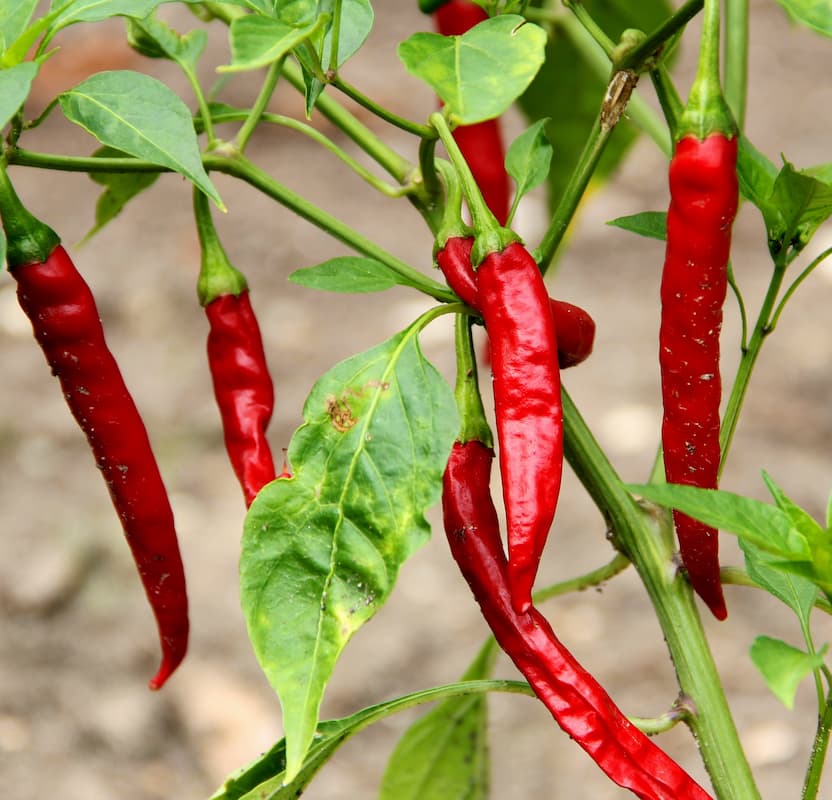
Ripe colourdark red
YieldModerate
Growth habitBush
Germination7-14
FoliageGreen
Unripe colourgreen

About this variety

Small, round chili peppers approximately 1/2 to 1 inch in diameter, grown primarily in Sindh, Pakistan, as well as Sikkim, India and Ilam, Nepal. These dried peppers are valued for their full-bodied, complex flavor profile and moderate heat. While similar in size to Scotch bonnets, they are less intense and belong to a different species, making them popular in South Asian cuisine and as a component in specialty foods.

History & lineage

The Dundicut is a regional Pakistani chilli with deep cultural roots in the Sindh province, where it has been cultivated for centuries as the foundational hot chilli of Sindhi cuisine. Despite limited international recognition, the variety carries genuine importance within Pakistani and Indian regional cooking traditions, and represents one of the few Pakistani chilli varieties to develop a distinct cultural identity. The name "Dundicut" - or sometimes "dandicut" - is reportedly a Sindhi word, though its exact etymology is contested. Some sources link it to Sindhi terms describing the round shape of the pods; others to the locality of Dundi or similar place names in Sindh. The Sindhi alternative name "gol lal mirch" - literally "round red chilli" - more directly describes the pepper's defining characteristics. In Sindhi and broader Pakistani cooking, the Dundicut is used dried, ground into the foundational "lal mirch" (red chilli) powder used in Sindhi biryani, daals, and curries. The variety is prized for its full-bodied flavour, deep red colour, and moderate-to-substantial heat - more assertive than Kashmiri chilli but less aggressive than Bhut Jolokia or other South Asian superhots. The combination of colour, flavour, and heat occupies a culinary niche distinct from other regional Indian and Pakistani chillies. Dundicut cultivation is concentrated in the Sindh province of Pakistan, with smaller production areas in Sikkim (India) and Ilam (Nepal). The variety has not spread significantly beyond South Asia, partly due to its specific climatic requirements and partly due to limited promotion outside the region. Sindhi diaspora communities maintain the cultivation tradition in immigrant communities globally, and Pakistani specialty grocers in the UK reliably stock Dundicut chilli powder for Sindhi-origin cooks.

Flavour profile

full-bodiedcomplexearthyslightly sweet
Culinary scores
Sauce
6/10
Drying
9/10
Pickling
5/10

Culinary uses

Used extensively in Pakistani and South Asian cuisine for curries, spice blends, and traditional dishes. Commonly sold dried and ground into powder or used whole in cooking. Also incorporated as an ingredient in specialty parrot food formulations due to its nutritional profile.
You might also like

Quick reference

Heat35,000 SHU
SpeciesC. annuum
OriginPakistan
Days to ripe75
Ripe colourdark red
Best forDrying, Used extensively in Pakistani and South Asian cuisine for curries
Data confidence: 3/5. Sourced from community submissions and verified references. Suggest a correction